
Summiting Africa’s highest peaks — Mount Kilimanjaro and Mount Kenya — is a dream for many adventurers. With breathtaking landscapes, rich wildlife, and a sense of achievement that comes with reaching the top, these mountains offer unforgettable experiences. To help you prepare for your journey, we’ve compiled our top ten tips for a successful summit.
1. Choose the Right Route
Each mountain features several routes with varying levels of difficulty. On Kilimanjaro, for example, routes like Machame and Lemosho are popular for their scenic views. For Mount Kenya, the Sirimon and Chogoria routes offer stunning landscapes. Research which route aligns best with your experience level and preferences.
2. Train in Advance
Physical preparation is crucial for a successful climb. Start training at least 2-3 months before your expedition. Incorporate cardio workouts, strength training, and hiking with elevation gains into your routine. This preparation will enhance your stamina and overall fitness for the strenuous days ahead.
3. Invest in Quality Gear
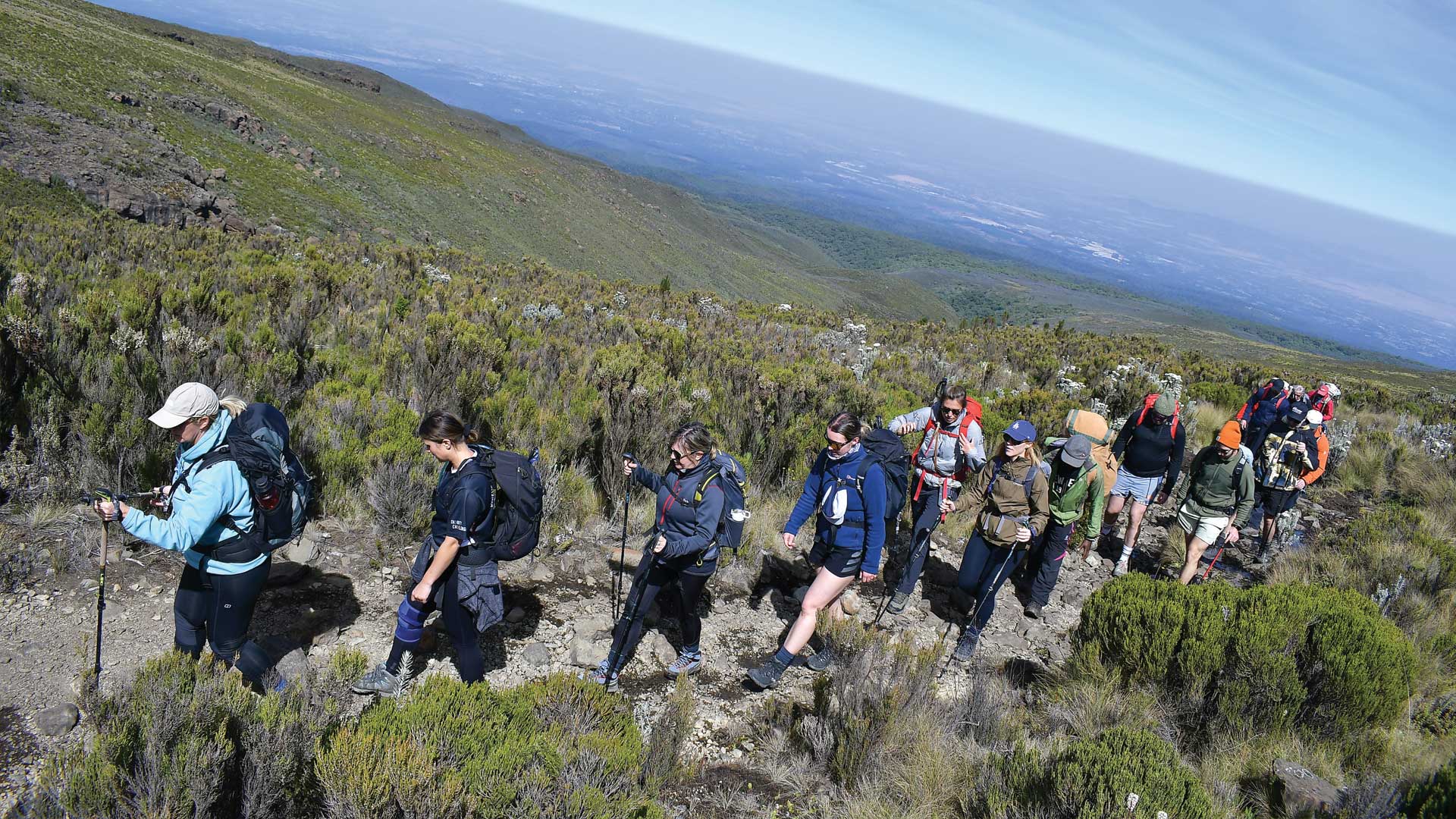
Having the right gear can make a significant difference in your ascent. Invest in high-quality hiking boots, moisture-wicking clothing, and temperature-regulating layers. Don’t forget essentials like a reliable backpack, trekking poles, a good sleeping bag, and a first-aid kit.
4. Stay Hydrated
Altitude can lead to dehydration, so it’s crucial to drink plenty of water throughout the climb. Aim for at least 3-4 liters of water per day. Consider using water purification tablets or filters to ensure your water supply is safe.
5. Practice Proper Acclimatization
Acclimatization helps your body adjust to the altitude, reducing the risk of altitude sickness. Take your time and follow the “climb high, sleep low” principle. Spend extra time at higher altitudes to allow your body to adapt before ascending further.
6. Listen to Your Body Acclimatization
Pay attention to how you feel during the trek. If you experience symptoms of altitude sickness, such as headaches, nausea, or dizziness, inform your guide and consider descending to a lower altitude. Your safety is paramount.
7. Pack Light but Smart
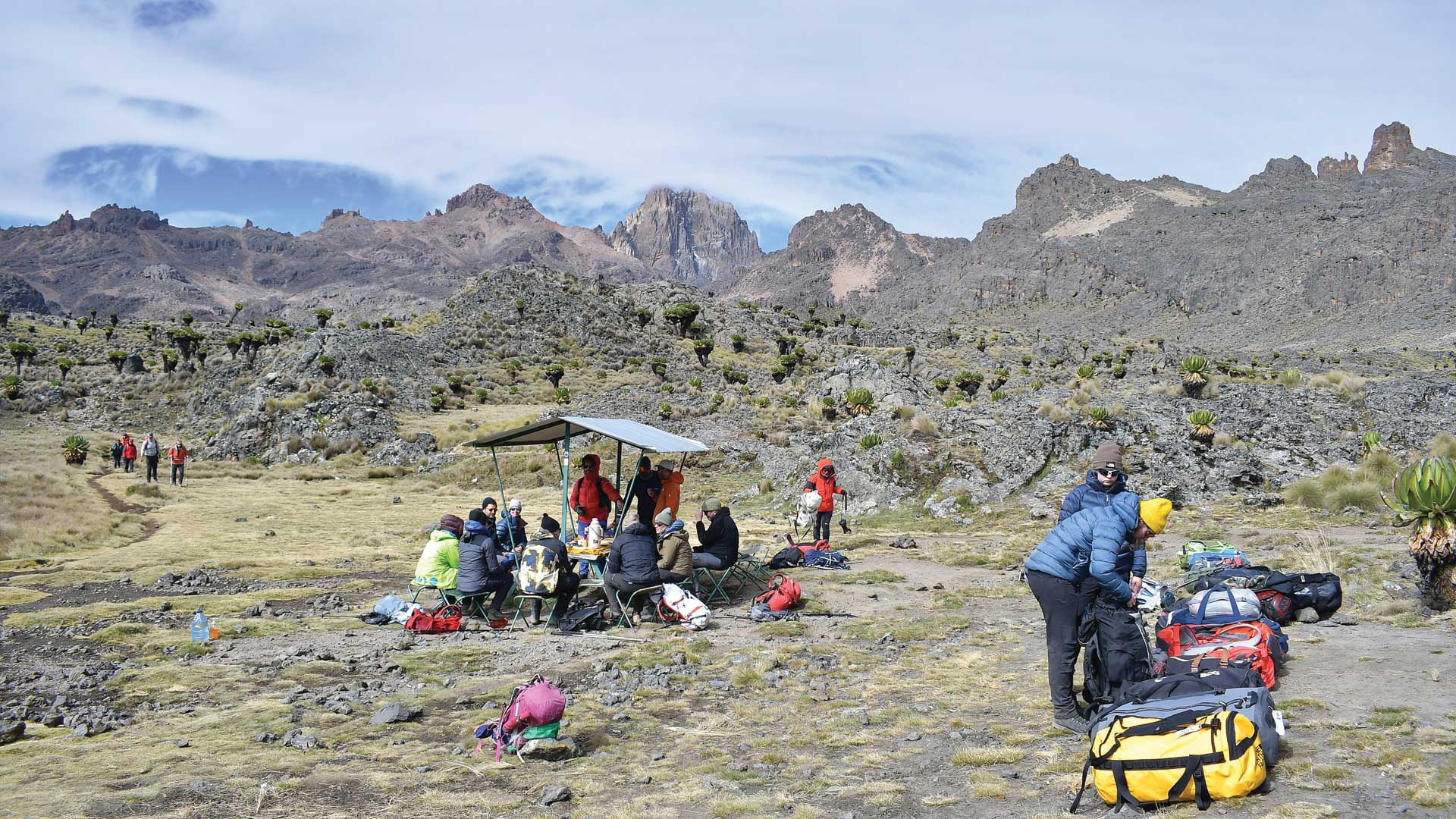
When packing for your climb, take only the essentials. A lightweight backpack will make your ascent more manageable. Include items like extra layers, snacks, and a camera to capture the breathtaking scenery without overloading yourself.
8. Engage with Your Guides
Our experienced guides are invaluable resources. They know the mountains well and can provide insights into the best practices for climbing, local wildlife, and cultural experiences. Don’t hesitate to ask questions or seek their advice throughout your journey.
9. Embrace the Journey
While the summit is the goal, don’t forget to enjoy the journey. Take time to soak in the stunning landscapes, appreciate the flora and fauna, and connect with fellow climbers. Each day on the trail offers unique experiences and unforgettable moments.
10. Celebrate Your Achievement
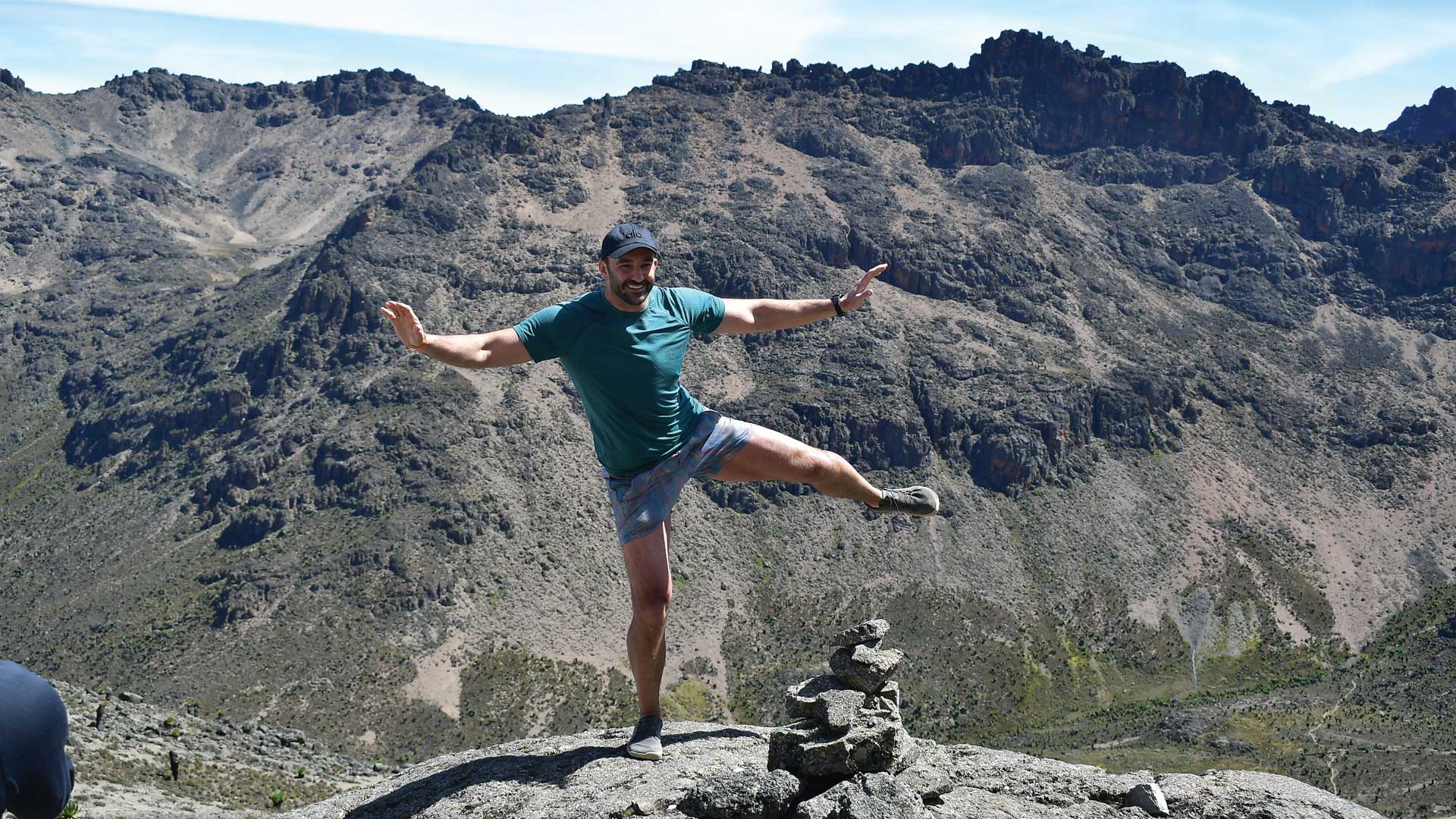
Reaching the summit is an incredible accomplishment! Take time to celebrate your achievement and reflect on the journey. Whether it’s capturing photos, sharing stories with fellow climbers, or simply enjoying the view from the top, savor the moment.